
Master Your Washing Machine Cycle Settings
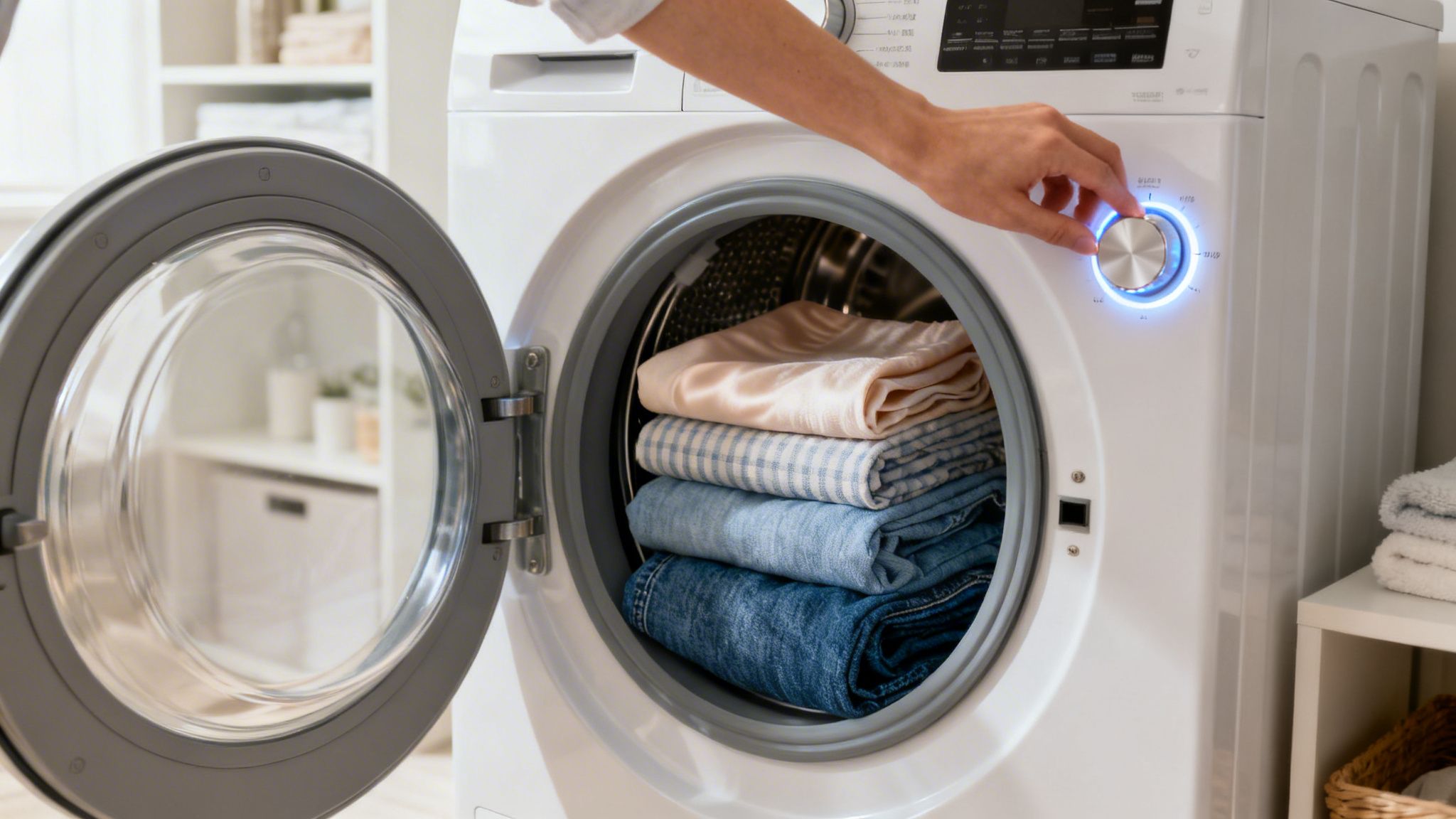
Columbia Pike Laundry offers pickup & delivery across Northern Virginia.
A washing machine cycle is really just a pre-set recipe for cleaning your clothes. It combines three key ingredients: water temperature, how fast the clothes are tossed around, and how fast they're spun dry. Choosing the right cycle is the single most important thing you can do to get your laundry genuinely clean without accidentally stretching, shrinking, or ruining it.
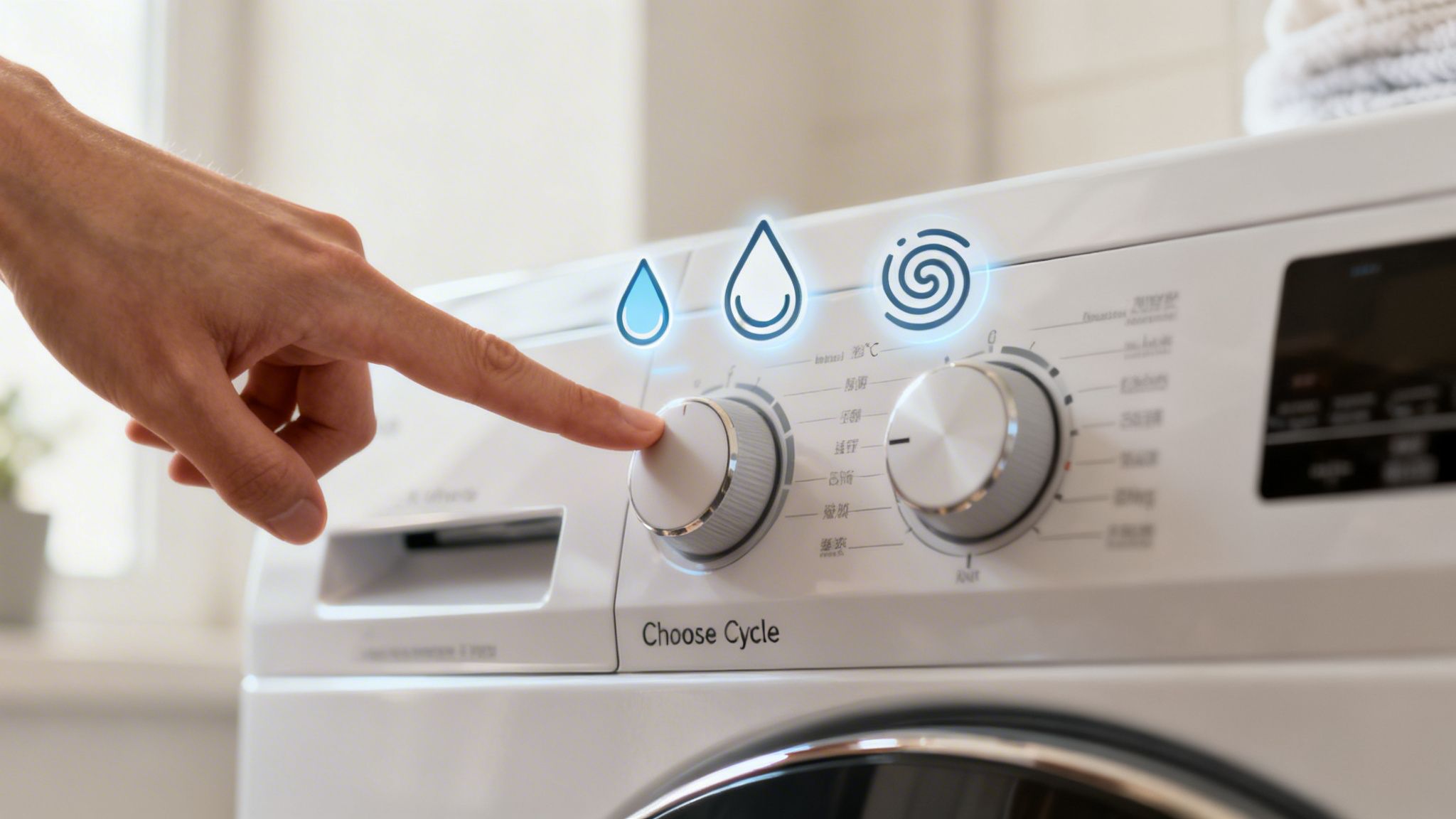
Your Guide to Choosing the Right Wash Cycle
Let's be honest—staring at all those symbols and words on your washing machine can be confusing. It’s so easy to just give up and throw everything on 'Normal,' from your delicate tops to your grimy towels. But when you do that, you're missing out on a much better clean.
This guide will help you finally crack the code. Once you understand what's really happening inside the machine, you can turn laundry from a guessing game into a simple, effective routine that actually extends the life of your clothes.
The 3 Key Actions in Every Wash Cycle
Every setting on your machine, no matter what it's called, is just a different mix of three basic actions. Once you get these, you'll have mastered your washer.
Agitation Speed: This is how rough the machine is with your clothes. High agitation gives a powerful, scrubbing motion for tough fabrics like denim. Low agitation is more like a gentle swishing, perfect for delicate items that can't take a beating.
Spin Speed: At the end of the wash, the drum spins to wring out water. A fast spin is great for sturdy items because it removes more water and cuts down drying time. A slow spin is much gentler, leaving clothes a bit wetter but protecting them from stretching and excessive wrinkling.
Water Temperature: Hot water is a powerhouse for sanitizing and cutting through serious grime on things like towels and bedding. Cold water, on the other hand, is your best friend for protecting colors from bleeding and stopping fabrics from shrinking.
Think of it like this: You're the chef, and your clothes are the ingredients. You wouldn't blast a delicate piece of fish with the same high heat you'd use for a tough steak. The same logic applies to your laundry—sturdy work jeans and a silk blouse need completely different "cooking" methods.
Every cycle on that dial, from 'Heavy Duty' to 'Delicates,' is just a pre-programmed recipe that adjusts these three variables.
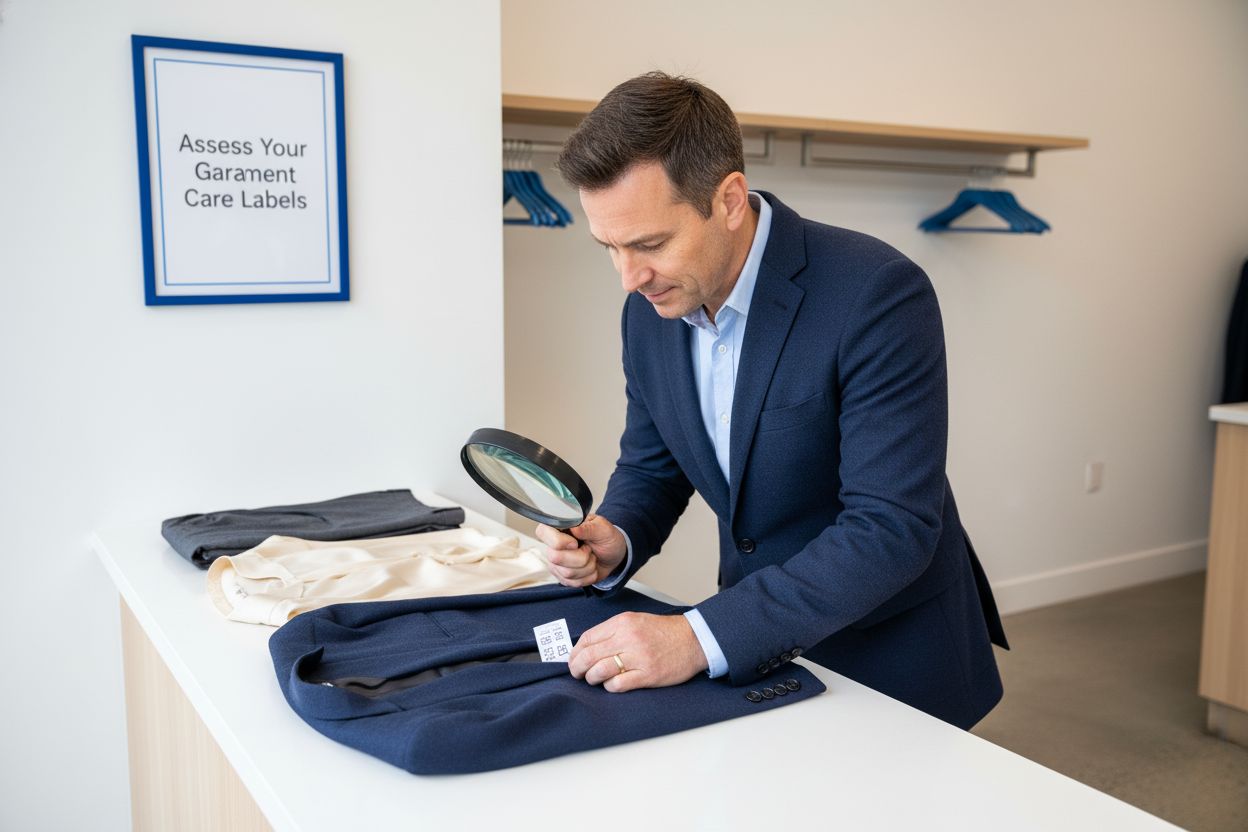
Before you even touch the dial, the best first step is always to check the tag on your garment. We break it all down in our guide on how to read clothing care labels. Next, we'll get into exactly what each common cycle does and when you should use it.
Getting to Know Your Machine's Core Cycles
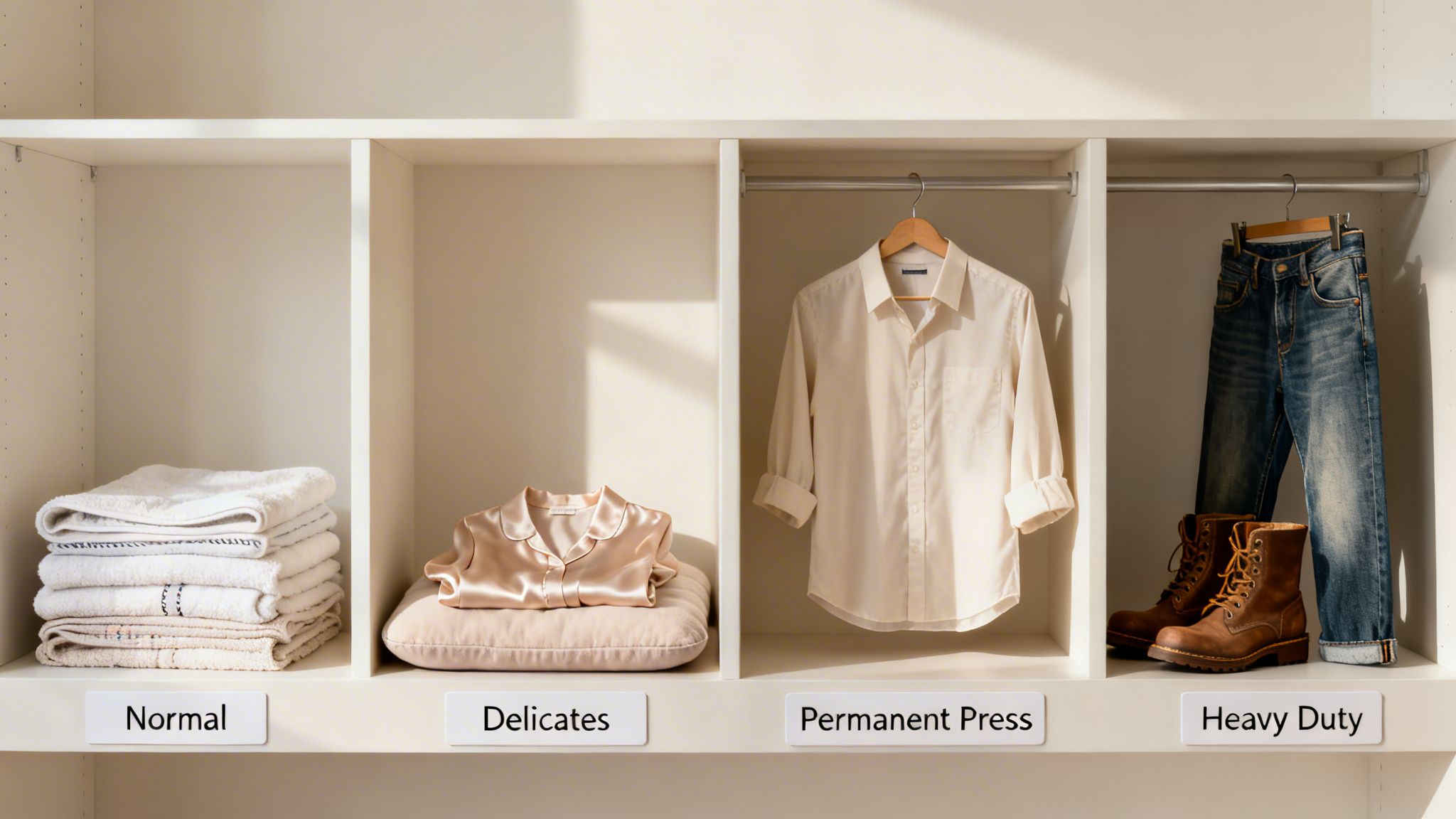
Alright, now that we've covered the ingredients of a wash—agitation, spin speed, and temperature—let's talk about the recipes. Your washer has several core cycles that act as the workhorses for your laundry routine. These are the settings you’ll turn to again and again.
Think of them like different drive modes in a car. You wouldn't take a sports car off-roading, and you probably wouldn't use a heavy-duty truck for a quick trip to the store. It’s all about matching the right tool to the job. By picking the right cycle, you get cleaner clothes and help them last longer.
Let's dive into the four cycles you'll find on almost any machine: Normal, Delicates, Permanent Press, and Heavy Duty. Once you get these down, you'll be able to tackle just about any laundry load with confidence.
Normal Cycle: The Reliable All-Rounder
The Normal cycle is the default setting for a good reason. It’s your everyday, go-to option—versatile, balanced, and perfect for the majority of what you wash. It's designed to give a great clean to most common fabrics with average soil levels.
This cycle usually pairs a fast agitation to scrub out dirt with a high-speed spin to wring out as much water as possible. That powerful combination is ideal for durable clothes that can handle a bit of a tumble.
So, when is Normal the right call?
- Cotton Staples: Think t-shirts, socks, underwear, and other casual wear.
- Everyday Linens: Sturdy bath towels, hand towels, and most bedsheets.
- Mixed Loads: When you've got a pile of generally tough clothes made from different materials.
The Normal cycle hits that sweet spot between cleaning power and efficiency. Just remember, it’s a bit too rough for delicate fabrics or synthetics that wrinkle easily.
Delicates Cycle: The Gentle Spa Treatment
On the other end of the spectrum, you have the Delicates cycle. Think of this as a gentle spa day for your most fragile garments. Its main job is to preserve the fabric by using the least amount of force necessary.
This washing machine cycle uses a slow agitation, which is more of a gentle swish back and forth than an aggressive tumble. It follows that up with a low-speed spin that carefully presses water out, leaving the clothes wetter but much safer.
The Delicates cycle is your machine’s best attempt at mimicking handwashing. It prioritizes protecting the fabric’s shape, feel, and details over aggressive stain removal, making it a must for your most prized items.
Reach for this setting when washing items that are lightweight, flimsy, or easily damaged:
- Lingerie and Sheer Fabrics: Anything made of lace, mesh, silk, or other see-through materials.
- Fine Knits: Sweaters made from cashmere, merino wool, or other soft, delicate yarns.
- Embellished Clothing: Garments with sequins, beading, or fine embroidery.
For an extra layer of security, I always recommend placing these items in a mesh laundry bag first. If you want to really master the art of washing your finer things, check out our full guide on the delicate wash cycle.
Permanent Press: The Wrinkle Fighter
The Permanent Press cycle is probably the most misunderstood setting on the dial. Its secret weapon isn't just about speed; it's about temperature. This cycle is specifically engineered to keep wrinkles from setting into synthetic and blended fabrics.
It starts with a warm or hot wash to relax creases and clean the fabric, but then it adds a cool-down rinse before the spin cycle. This gradual temperature change helps prevent new wrinkles from forming. It finishes with a slow spin, which also helps reduce creasing.
This is your go-to cycle for:
- Synthetic Fabrics: Polyester, nylon, rayon, and acrylic shirts, blouses, and pants.
- Blended Fabrics: Common cotton-poly blends that are notorious for wrinkling.
- Business Casual Attire: Dress shirts and other pieces you want to look crisp with minimal ironing.
Using this cycle can seriously cut down on your ironing time. Just be sure to take the clothes out as soon as the cycle is done, or you'll undo all its good work!
Heavy Duty Cycle: The Off-Road Vehicle
When you're facing a load that's truly filthy or made of the toughest fabrics, it's time to call in the Heavy Duty washing machine cycle. This is the off-road 4x4 of your laundry room, built to handle the most demanding jobs.
This cycle uses high-speed agitation for a longer wash time to power through deep-seated grime. It follows that with an extra-fast spin to wring out every last drop of dirty water. Many machines also add an extra rinse to make sure all the loosened dirt and soap are completely flushed away.
Save the Heavy Duty cycle for your most challenging loads:
- Sturdy Work Clothes: Heavily soiled jeans, canvas pants, and durable uniforms.
- Rugged Household Items: Muddy towels from cleaning the dog, durable entry rugs, or grimy sports gear.
- Tough Stains: When you're dealing with mud, grass, or serious grime on fabrics that can take a beating.
While it’s a powerful cleaner, this cycle is harsh. You'll want to avoid using it for your regular clothes, as that intense action can cause fabrics to wear out and fade much faster over time.
Unlocking Advanced and Specialty Cycles
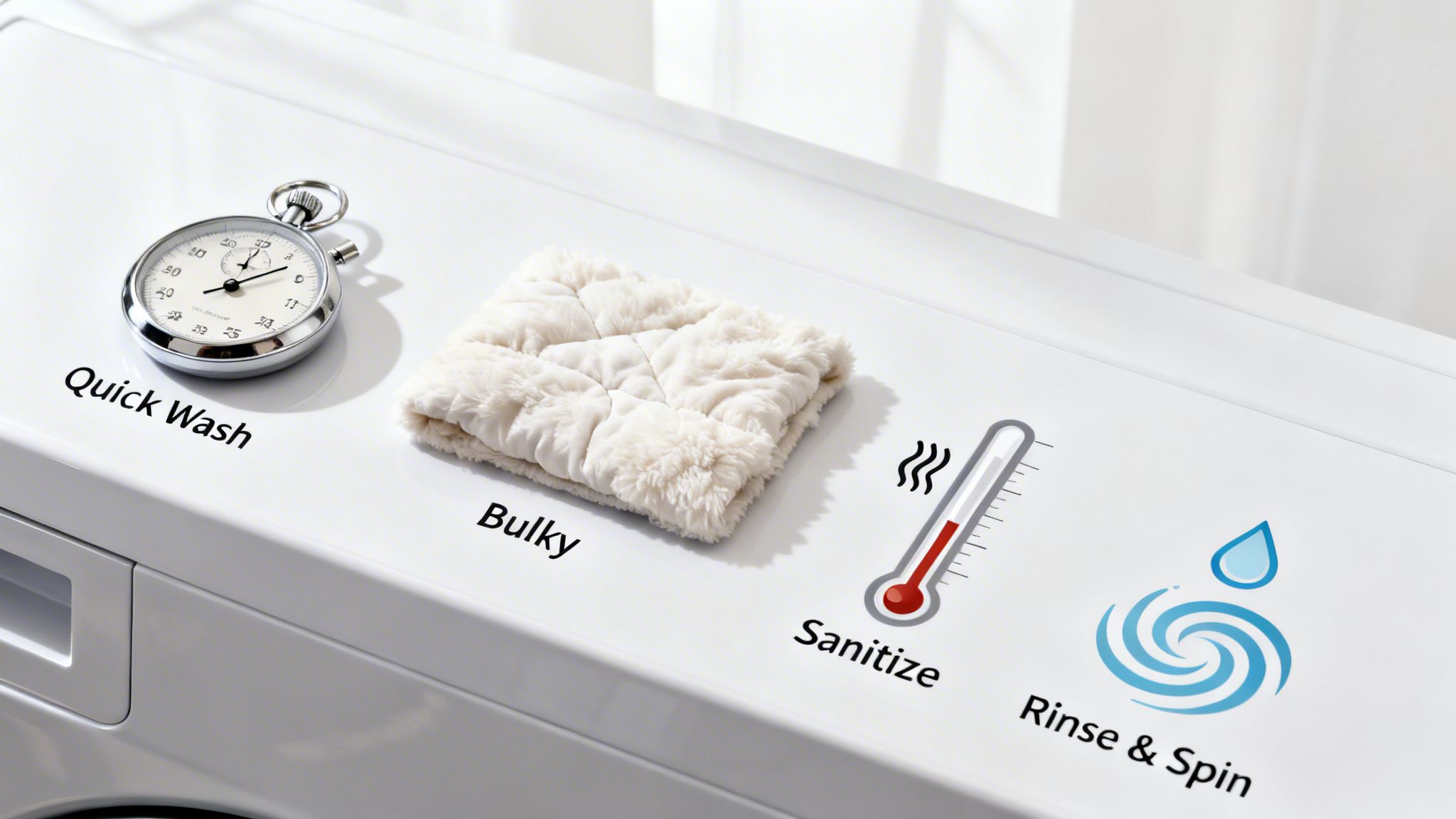
Alright, now that you've got the basic wash cycles down, it's time to dig into the specialty settings. These are the ones that can feel a little intimidating, but they’re your secret weapons for tackling very specific laundry challenges—from saving time to protecting your biggest items.
Think of it this way: you have your standard tools for everyday jobs, but sometimes you need something more specialized. You wouldn't use a hammer when you need a wrench. In the same way, knowing when to deploy these advanced cycles will give you far better results than a one-size-fits-all approach. Let's look at when to use them.
Quick Wash For Laundry Emergencies
The Quick Wash or Express Wash setting is a lifesaver. We’ve all had that moment of panic—your go-to shirt for a meeting is dirty, or your gym clothes aren’t ready for your morning workout. This is exactly what Quick Wash was made for.
It works by dramatically cutting down the wash and rinse times and using a super-fast spin cycle to wring out more water, which means less time in the dryer. It’s the laundry equivalent of a power nap—short, intense, and meant for a quick refresh.
But here’s the catch: it’s not for every load. Quick Wash is only effective for:
- Tiny loads of just a few items.
- Clothes that are barely dirty (think something worn once with no stains).
- Items you need back in a hurry.
Don’t make this your default cycle for regular laundry. Its short agitation and rinse just don't have enough time to deal with real dirt. If you use it too often on full loads, you'll start to notice detergent buildup and clothes that don't smell quite as fresh.
Bulky Or Bedding For Large Items
Trying to wash a big comforter at home can be a real headache. It either comes out with dry spots still in the middle or, even worse, sends your machine into a violent, thumping dance across the laundry room floor. The Bulky or Bedding cycle is engineered to prevent exactly that.
This cycle's main trick is that it uses a whole lot more water than a normal wash. This extra water is key to making sure huge, absorbent items like comforters, pillows, or sleeping bags get completely saturated. This allows the soap to actually get to the core of the item.
The Bulky cycle basically gives your largest items a deep-soak bath. It pairs all that extra water with slower, gentler agitation to prevent tangling and a lower-speed spin to keep the load balanced and your machine safe.
This controlled method gives you a deep, even clean without all the drama. It’s your best bet for:
- Comforters and duvets
- Pillows (always check the care tag first!)
- Large blankets or sleeping bags
- Small, thick bath mats
Sanitize For A Hygienic Clean
Sometimes, "clean" just isn't enough. When you need a truly hygienic, germ-free result, the Sanitize cycle is the most powerful tool in your arsenal. This setting has one mission: to kill germs and allergens with extreme heat.
The Sanitize cycle engages an internal heater in the machine to raise the water temperature to a scalding 140-150°F (60-65°C), sometimes even higher. By holding this temperature for an extended period, it can eliminate up to 99.9% of common household bacteria, dust mites, and other irritants.
This makes it absolutely essential for certain situations:
- Washing bedding and towels after someone in the house has been sick.
- Sterilizing baby clothes, cloth diapers, and reusable pads.
- Deep cleaning heavily soiled cleaning rags and mop heads.
Just be careful. Because the heat is so intense, you should only use this cycle for sturdy white cottons, linens, and other durable fabrics that won't shrink or bleed color.
Rinse And Spin For Specific Tasks
The Rinse and Spin cycle is a simple but incredibly handy function. It does exactly what the name suggests: it skips the main wash and just gives your clothes a clean water rinse followed by a spin cycle to extract moisture.
This isn't a cleaning cycle on its own. Think of it as a utility player you can bring in for very specific jobs. For a more detailed breakdown, you can learn more about the Rinse and Spin cycle in our dedicated article.
Here’s when you might use it:
- After hand-washing: If you’ve just hand-washed a delicate sweater, you can toss it in for a Rinse and Spin to get the soap out and remove excess water, saving you a lot of effort and drying time.
- If clothes feel soapy: Accidentally used way too much detergent? An extra rinse and spin will solve that sticky, stiff feeling.
- To refresh stored clothes: If a shirt has been sitting in a drawer and smells a bit musty but isn't actually dirty, a quick rinse and spin will freshen it right up.
Pro Tips for a Perfect Wash Every Time
Choosing the right wash cycle is a great start, but it's only part of the equation. To get that perfectly clean laundry you’re after, you need to master a few key habits before you even hit the power button. Think of it as a recipe for success—these tips will help you get brilliant results, protect your clothes, and get the most out of your machine.
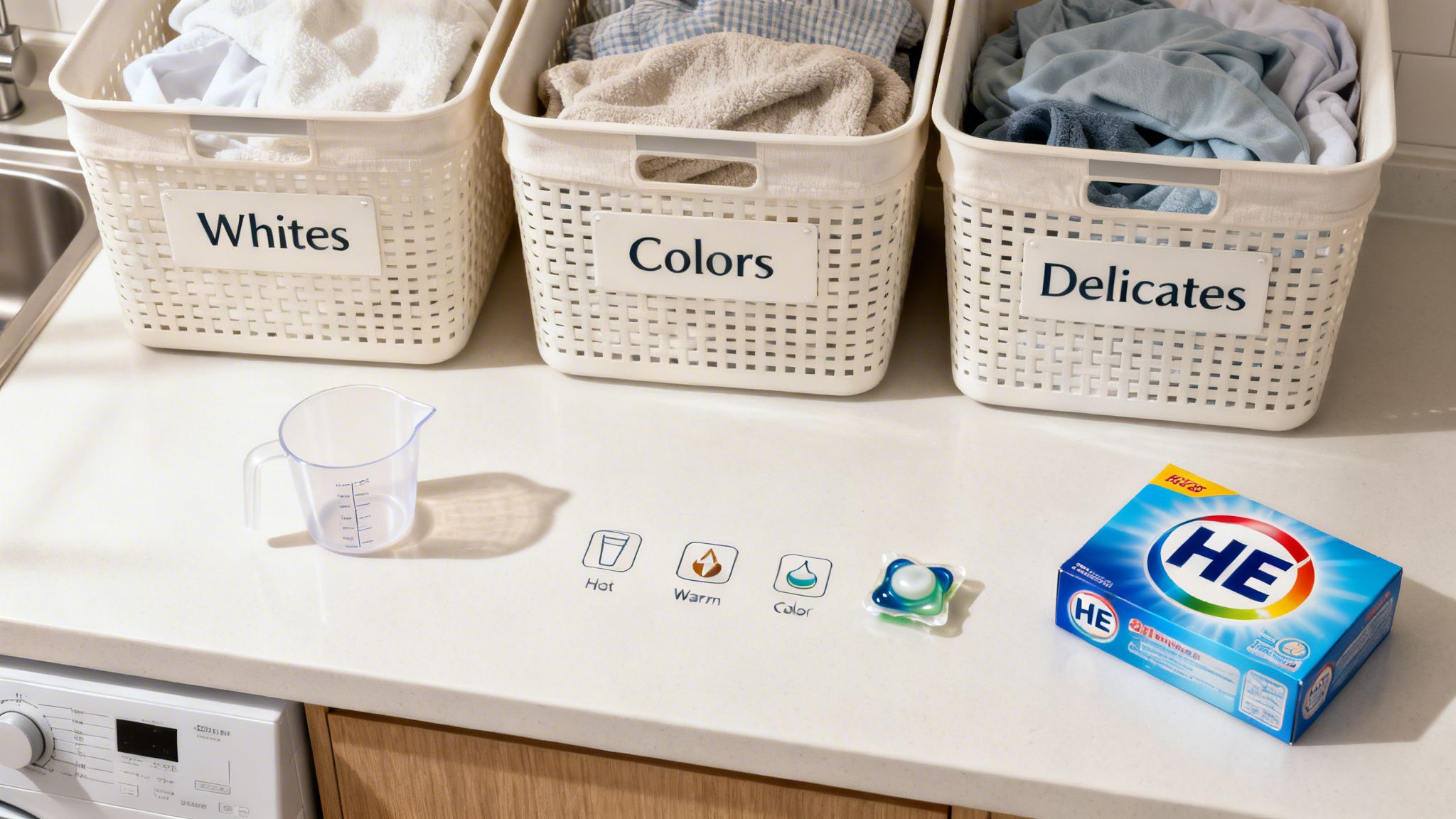
After all, you can have the best recipe in the world (your wash cycle), but if the ingredients (your laundry) aren’t prepped correctly, the final result just won’t be the same.
Master the Art of Sorting
Proper sorting goes way beyond just keeping your whites from turning pink. For the best results, you need to sort twice: first by color, then by fabric weight. This simple two-step process stops colors from bleeding and makes sure every item gets the right amount of cleaning action.
- Sort by Color: Start with the basics. Create piles for whites, lights, and darks. This is the golden rule to keep your white tees looking bright and crisp.
- Sort by Fabric Type: Now, take a closer look at those piles. A heavy pair of jeans has no business being in the same load as a thin cotton shirt, even if they're both dark. Group heavy, rugged items like towels and denim separately from lighter pieces like t-shirts and blouses.
Taking that extra minute to sort by weight makes a huge difference. It stops delicate fabrics from getting beaten up on a rough cycle and prevents heavy items from coming out half-dirty on a gentle one.
Perfect Your Load Size
It’s tempting to cram as much as possible into the washer to get it done faster, but this almost always backfires. An overloaded machine can’t clean properly because the clothes don’t have room to move, so water and detergent can't circulate. It also puts a ton of strain on the motor.
On the flip side, washing just two or three items is a waste of water and energy. The sweet spot is when the drum is about three-quarters full, with everything packed in loosely. As a rule of thumb, you should be able to slide your hand easily between the top of the clothes and the drum.
Choose Your Water Temperature Wisely
Water temperature is a game-changer for cleaning power, stain removal, and fabric care. Here’s a quick breakdown of when to use each setting:
| Water Temp | Best For... | Why It Works |
|---|---|---|
| Hot | Sturdy whites, bedding, towels, and heavily soiled items. Great for sanitizing. | Maximum power for killing germs, breaking down grime, and lifting tough stains. |
| Warm | Durable colored clothes, permanent press items, and everyday dirt. | The perfect balance of solid cleaning power and color protection, with less shrinking. |
| Cold | Delicates, brights, dark colors, and anything lightly soiled. About 90% of energy is used to heat water. | Prevents shrinking, fading, and colors from running. It's the most eco-friendly choice. |
Pick the Right Detergent
Staring at the detergent aisle can feel overwhelming, but it’s simpler than it looks. Whether you go for pods, liquid, or powder is mostly a matter of personal preference. The real decision is between HE and standard detergent.
Always use HE (High Efficiency) detergent in an HE machine. Modern front-loaders and high-efficiency top-loaders are designed to use far less water. HE detergents are made to produce fewer suds, so they clean effectively in low water levels without leaving behind residue or damaging your machine.
Washing machines are a cornerstone of modern households—so much so that the global market is expected to hit USD 87.82 billion by 2033. This growth shows just how much we rely on these appliances for convenience and advanced cleaning, making it more important than ever to use them correctly.
To keep your machine running smoothly and avoid problems that can mess with your wash cycles, a little maintenance goes a long way. A crucial but often overlooked task is cleaning your washing machine filter. A clean filter helps ensure water can flow and drain properly, which is essential for every single cycle.
When to Trust the Professionals with Your Laundry
Even when you’ve mastered every cycle on your home machine, some laundry loads are best left to the experts. Knowing when to call for backup isn't about giving up; it’s about making a smart, strategic choice that saves you time, stress, and your favorite clothes.
Think of it like DIY home repair. You can handle a loose doorknob or a leaky faucet, but you call a professional for the big jobs to avoid turning a small issue into a disaster. The same logic applies to your laundry.
For Those High-Stress Delicates
We all have them: the items that make your heart skip a beat when you toss them in the hamper. That gorgeous silk dress, a hand-knit sweater, or a delicate vintage piece can feel like a high-stakes gamble in a home washer. One wrong setting—a bit too much agitation or a spin cycle that's too fast—can cause permanent stretching, snags, or shrinking.
At Columbia Pike Laundry, we see these items every day. Our team knows exactly how to handle delicate fabrics, using specialized equipment that cleans them gently and effectively. We take the guesswork out of it so your most prized garments come back looking perfect.
Tackling Oversized and Bulky Items
Is there anything more frustrating than trying to wash a king-size comforter at home? You wrestle it into the machine, but it’s so tightly packed that water and detergent can’t possibly circulate. The result is often a comforter that comes out smelling musty, with damp spots and dried soap patches.
Trying to wash a comforter at home is like trying to wash your car with a single spray bottle—you’ll put in a ton of effort, but you just won't get the deep, even clean it really needs.
Our commercial-grade, large-capacity machines are built for this. They provide tons of room for comforters, duvets, and pillows to tumble freely, ensuring a deep clean and a thorough rinse. For just $25, getting your comforter professionally washed is an easy, affordable fix to a common laundry nightmare.
When You Need to Buy Back Your Weekend
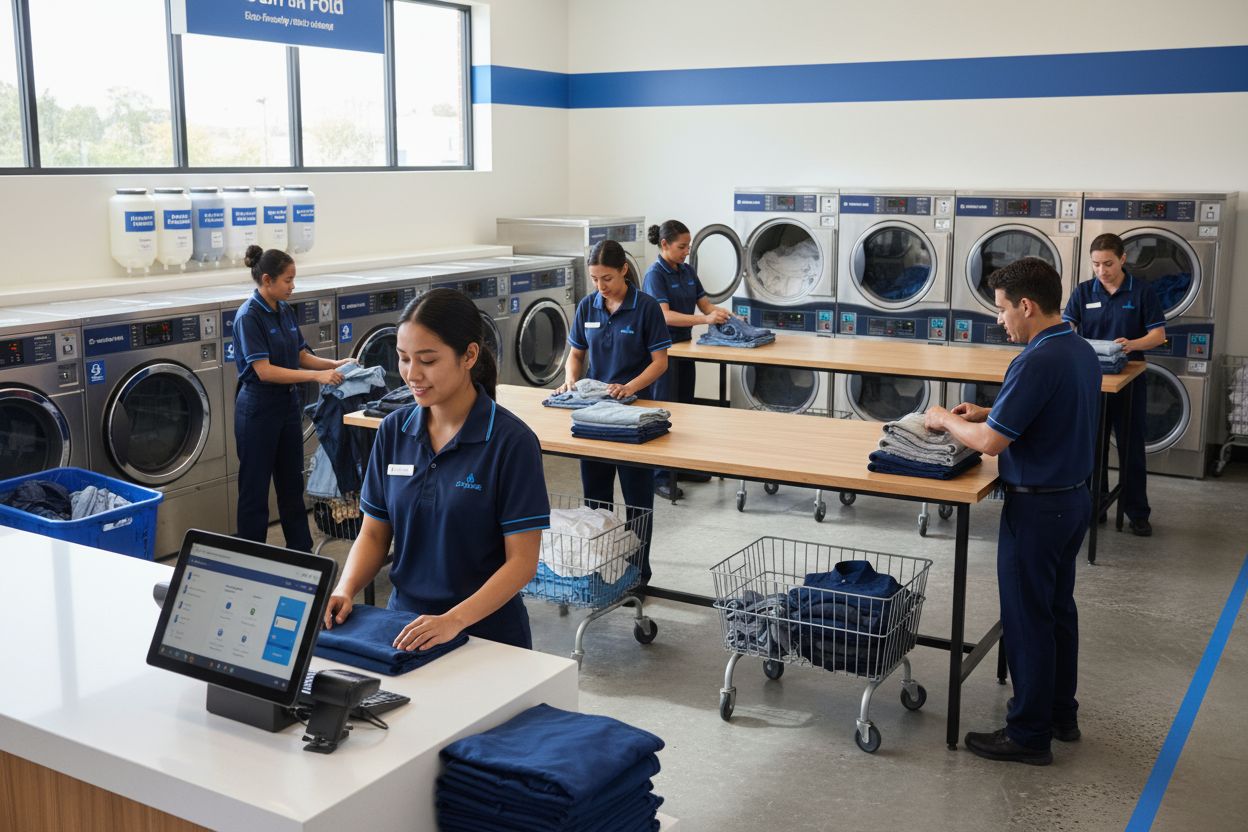
Sometimes the biggest laundry challenge isn’t a tricky fabric—it’s just a lack of time. When you're facing a mountain of clothes after a long week, laundry can feel like a second job. This is where a wash-and-fold service becomes a lifesaver.
This isn’t just a local trend. The demand for convenient solutions is growing globally, with the Asia Pacific region now holding a 44.93% share of the washing machine market. As lives get busier, more people are realizing that outsourcing laundry is a practical way to manage household chores and reclaim valuable time. You can explore how consumer habits are shifting in this in-depth report on the global washing machine market.
When you're completely swamped, let us take care of it. Our express services are designed to get your laundry done right and back to you quickly. You don’t just get clean clothes—you get your weekend back.
Common Questions About Washing Machine Cycles
Even when you feel like you've mastered all the settings on your machine, laundry has a way of throwing you a curveball. Sometimes, a cycle just acts... weird. Let's walk through some of the most common head-scratchers so you can troubleshoot like a pro and get your laundry day back on track.
Think of this as your field guide for those "why on earth is it doing that?" moments.
Why Is My Washing Machine Cycle Taking So Long?
This is easily one of the biggest laundry frustrations. You expect a 45-minute cycle, but two hours later, it's still sloshing away. Nine times out of ten, the culprit is an unbalanced load.
Modern high-efficiency washers have smart sensors that can tell when the weight inside is lopsided. A lumpy, unbalanced load can cause the machine to shake violently during the high-speed spin cycle, which could wreck the internal components. To prevent this, the machine’s computer hits pause on the spin, adds more water, and tumbles the clothes again, trying to spread them out. It’ll keep repeating this correction loop until things are balanced enough to spin safely—and that's what eats up all your time.
This headache usually pops up in a few specific scenarios:
- Washing one heavy item: A single, water-logged bathmat or a pair of heavy jeans tossed in with a few light shirts is the classic recipe for an unbalanced load.
- Washing bulky bedding: A big comforter can easily twist into a single, dense knot on one side of the drum.
- Underloading the machine: When there are too few items, they just can't spread out evenly enough to create balance.
The fix is usually pretty simple: try to wash items of similar weight and fabric together. If you notice a cycle is already stuck in this loop, just pause the machine, open the door, and manually pull apart and rearrange the wet, clumped-up items. Then, just restart the spin.
Can I Use the Quick Wash Cycle for Everything?
It's so tempting to just hit Quick Wash for every load—who doesn't want to save a little time? But that setting really isn't built for everyday laundry. It’s designed for very small, lightly soiled loads that just need a quick refresh, not a deep clean.
Think of it as a spot treatment. The Quick Wash cycle uses a lot less water, has a much shorter wash time, and a faster rinse. It’s perfect for that workout outfit you need again tomorrow or a shirt you spilled a bit of water on. It simply doesn't have the muscle to fight real dirt, oils, and stains.
If you rely on Quick Wash for your regular laundry, you’ll start to see the consequences. Your clothes might not smell totally fresh, stains will stick around, and whites will start looking dingy. Save it for genuine laundry emergencies and stick to the Normal or Heavy Duty cycles for everything else.
A Quick Analogy: Using the Quick Wash for all your laundry is like trying to clean a sink full of greasy pots and pans with just a quick spray of water. It might get the loose stuff off, but it’s not really clean.
Why Do My Clean Clothes Smell Musty?
There's nothing more frustrating than pulling a "clean" load from the washer only to be hit with a musty, mildewy smell. That odor is a dead giveaway that mold or mildew has started growing, either in your machine or on the clothes themselves.
First things first: don't let wet clothes sit. The moment the cycle ends, move them to the dryer or hang them up. A warm, damp, enclosed space is the perfect breeding ground for mildew.
More often than not, though, the problem is the washing machine itself, especially front-loaders. That big rubber gasket around the door is a notorious trap for moisture, old detergent, and lint.
Here’s how to fix it and keep it from coming back:
- Run a monthly cleaning cycle: Use a washing machine cleaning tablet (like Affresh) or a cup of bleach on the hottest cycle setting to kill any lurking mold and bacteria.
- Wipe down the gasket: After your last load, take a dry cloth and thoroughly wipe the rubber door seal, especially inside the folds.
- Leave the door ajar: When you're done with laundry for the day, always leave the washer door cracked open. This allows the drum and seal to air out and dry completely.
Why Does My Washing Machine Stop Mid Cycle?
A cycle that just stops for no reason can be confusing. While it could signal a mechanical problem, it's often something you can diagnose yourself. The most common cause is, you guessed it, an unbalanced load that triggers the machine's safety sensors to halt everything.
Other possibilities include a clogged drain filter that's preventing water from emptying, an issue with the lid switch on a top-loading machine, or a kinked water supply hose. If you're dealing with unexpected stops, a common issue like your Top Load Washer Stopping Mid Cycle can often be resolved with a few simple checks. First, try pausing the machine and redistributing the clothes. If that doesn't solve it, check that your drain hose isn't blocked or twisted.
When laundry feels like more than just a chore—whether it's a delicate garment you're afraid to ruin, a comforter too big for your machine, or a week where you just need to buy back your time—Columbia Pike Laundry is here to help. We offer professional-grade care for all your laundry needs, from wash-and-fold to specialized dry cleaning, with the convenience of pickup and delivery. Let us bring a sense of order and relief back to your routine. Schedule your first pickup at https://columbiapikelaundry.com and discover a better way to do laundry.
Free pickup, expert care, delivered back to your door.
Popular Blog Articles



Meet the Author
Daniel Logan didn’t start CPL because he loved laundry. He started it because his family was drowning in time debt, and laundry was one of the biggest weights.
Mornings were chaos with two kids under 5. Evenings felt like catch-up. And weekends? Gone to sorting socks and folding piles.
He knew his story wasn’t unique. So he built a business that gave families like his just a little bit of breathing room one load at a time.
With no laundry experience but deep tech skills, Daniel rolled up his sleeves, doing every job himself while building systems that turned it into a modern laundry service that saves customers time, simplifies their lives, and delivers reliability they can count on.
That’s where CPL began. Not from a playbook, but from pain. From one dad trying to buy back time: for himself, and for every household like his.
Free pickup, expert care, delivered back to your door.