
Master spot cleaning: save time for Arlington families
Columbia Pike Laundry offers pickup & delivery across Northern Virginia.
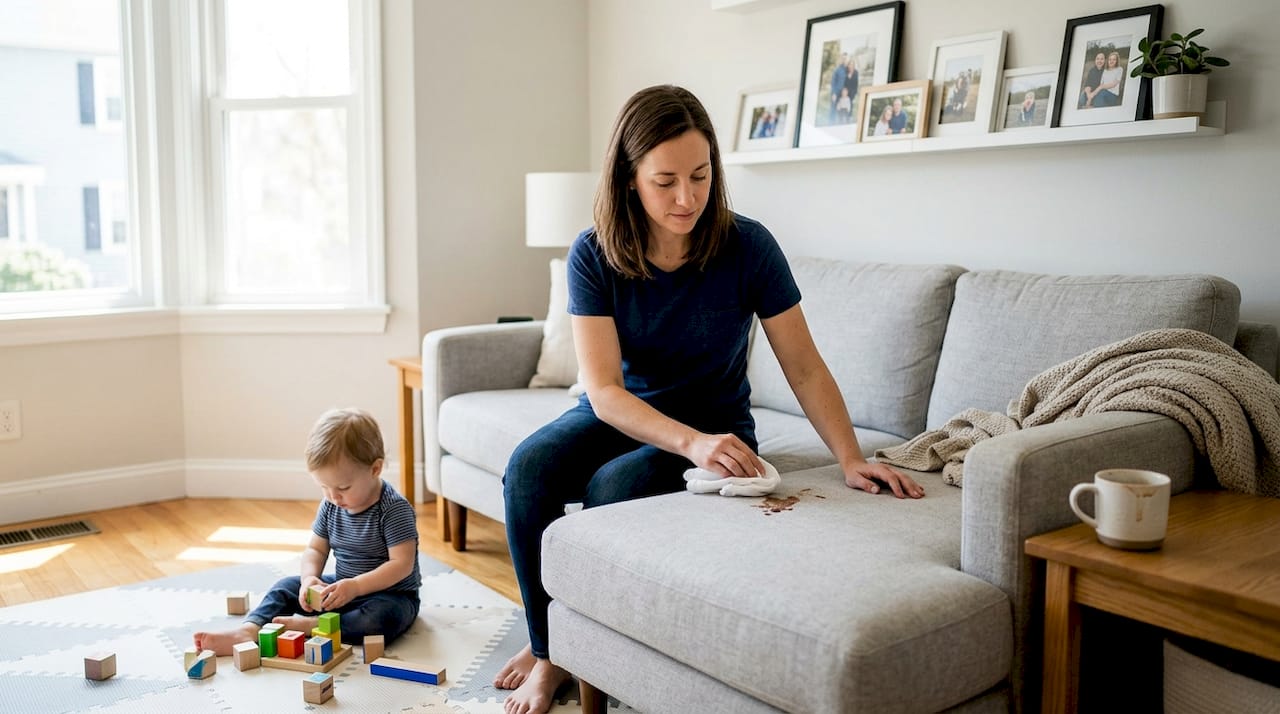
You spill coffee on your favorite shirt minutes before a meeting, or your toddler smears chocolate on the couch during breakfast chaos. Full laundry or professional cleaning feels like overkill for one small stain, yet ignoring it risks permanent damage. Spot cleaning is a targeted method to treat small, localized stains or dirt on garments, upholstery, or fabrics without cleaning the entire item, ideal for busy families to maintain items between full laundry services. This guide walks Arlington families and professionals through practical spot cleaning methods, expert tips, and when to call in help, so you can handle everyday messes efficiently and keep your wardrobe and home looking fresh.
Key Takeaways
| Point | Details |
|---|---|
| Targeted stain treatment | Spot cleaning targets a specific stain or small area without washing the entire item. |
| Blotting not rubbing | Blot the stain from the outer edges toward the center using a clean cloth to lift moisture without spreading. |
| Test solutions first | Always test a cleaning solution on a hidden area before applying it to the visible stain. |
| Choose right cleaners | Select cleaners based on fabric type and stain, using plain water for fresh spills, mild detergent for grease, and diluted vinegar for organic stains. |
| Act quickly | Address spills promptly to stop stains from setting in. |
What is spot cleaning and why it matters
Spot cleaning focuses on treating a specific stain or soiled area without subjecting the entire garment or upholstery piece to a full wash or dry cleaning cycle. Think of it as surgical precision for fabric care. You zero in on the problem spot, apply the right solution, and leave the rest of the item untouched. This approach differs fundamentally from tossing everything into the washer or hauling a couch cushion to the cleaners.
For busy Arlington families juggling work, school, and activities, spot cleaning offers immediate relief. You address spills as they happen, preventing stains from setting while you wait for laundry day. It extends the life of your garments and upholstery by reducing unnecessary washing, which wears down fibers over time. Less frequent full washes also mean lower water and energy bills, aligning with eco-friendly practices many Northern Virginia residents value. Plus, understanding the role of dry cleaning helps you decide when professional care is necessary versus when a quick home treatment suffices.
Common items that benefit from spot cleaning include:
- Work blouses and dress shirts with collar stains or food drips
- Kids’ school uniforms marked by grass, mud, or lunch mishaps
- Upholstered sofas and chairs facing juice spills or pet accidents
- Car interiors dealing with coffee splashes or snack crumbs
- Delicate fabrics like silk scarves or wool sweaters needing gentle care
By mastering spot cleaning, you gain control over everyday messes without disrupting your schedule or overloading your washing machine. It’s a practical skill that keeps your home and wardrobe looking polished, even during the busiest weeks.
Step-by-step spot cleaning methods with expert tips
Effective spot cleaning follows a clear sequence designed to lift stains without damaging fabric. Rushing or skipping steps often makes things worse, so take a moment to do it right. Core methodology includes scraping solids gently, blotting with appropriate solution from edges inward, testing on hidden areas, rinsing with clean water, and air drying away from heat. Here’s how to execute each step for best results.
-
Remove solids gently. Use a dull knife, spoon, or credit card edge to lift any solid residue from the fabric surface. Scrape carefully without pressing the stain deeper into fibers. For liquid spills, blot immediately with a clean, dry cloth to absorb excess moisture before it spreads.
-
Apply the right cleaning solution. Choose your cleaner based on the stain type. Plain water works for fresh water-based spills like juice or soda. Mix a few drops of mild dish detergent with cool water for greasy marks. White vinegar diluted with water tackles many organic stains. Always apply solution to a clean cloth first, then blot the stain from the outer edges toward the center to prevent spreading.
-
Test on a hidden area first. Before treating the visible stain, dab your cleaning solution on an inconspicuous spot like an inside seam or the underside of a cushion. Wait a few minutes to ensure the fabric doesn’t discolor, shrink, or react poorly. This simple precaution prevents costly mistakes on delicate or unknown materials.
-
Blot and rinse carefully. Work the solution into the stain with gentle blotting motions, never rubbing or scrubbing. Rubbing pushes stains deeper and can fray fabric. Once the stain lifts, blot with a cloth dampened in plain water to remove cleaning residue. Repeat until no soap or cleaner remains, as leftover chemicals attract dirt.
-
Air dry away from heat. Let the treated area dry naturally at room temperature. Avoid hair dryers, radiators, or direct sunlight, which can set remaining stain particles or damage fabric. For upholstery, place a fan nearby to speed drying without heat.
Pro Tip: Keep a small emergency kit in your car or office with a travel-size spray bottle of diluted dish soap, a clean microfiber cloth, and a stain pen. This setup lets you tackle spills immediately, before they become permanent problems. For guidance on specific stain types, check out this detailed stain removal guide tailored for Arlington families.
Common mistakes to avoid include using hot water on protein stains like blood or egg, which cooks the proteins and sets the stain permanently. Over-wetting fabric can cause water rings or mildew, especially on upholstery. And skipping the test step risks irreversible damage to expensive garments or furniture. For specialized spot cleaning solutions designed for various fabric types, consider investing in a few targeted products that match your household’s most frequent stain challenges.
Spot cleaning upholstery and fabrics in Arlington: local insights and stain codes
Upholstery presents unique challenges compared to washable garments. You can’t toss a couch cushion in the washing machine, and professional cleaning for an entire sofa costs hundreds of dollars. Understanding fabric cleaning codes and local resources helps Arlington families maintain furniture between deep cleanings. For upholstery, check the code (W for water-based cleaners, S for solvents, X for vacuum only), use dish soap solution for general spots, and baking soda for oils, with local services available when DIY isn’t enough.
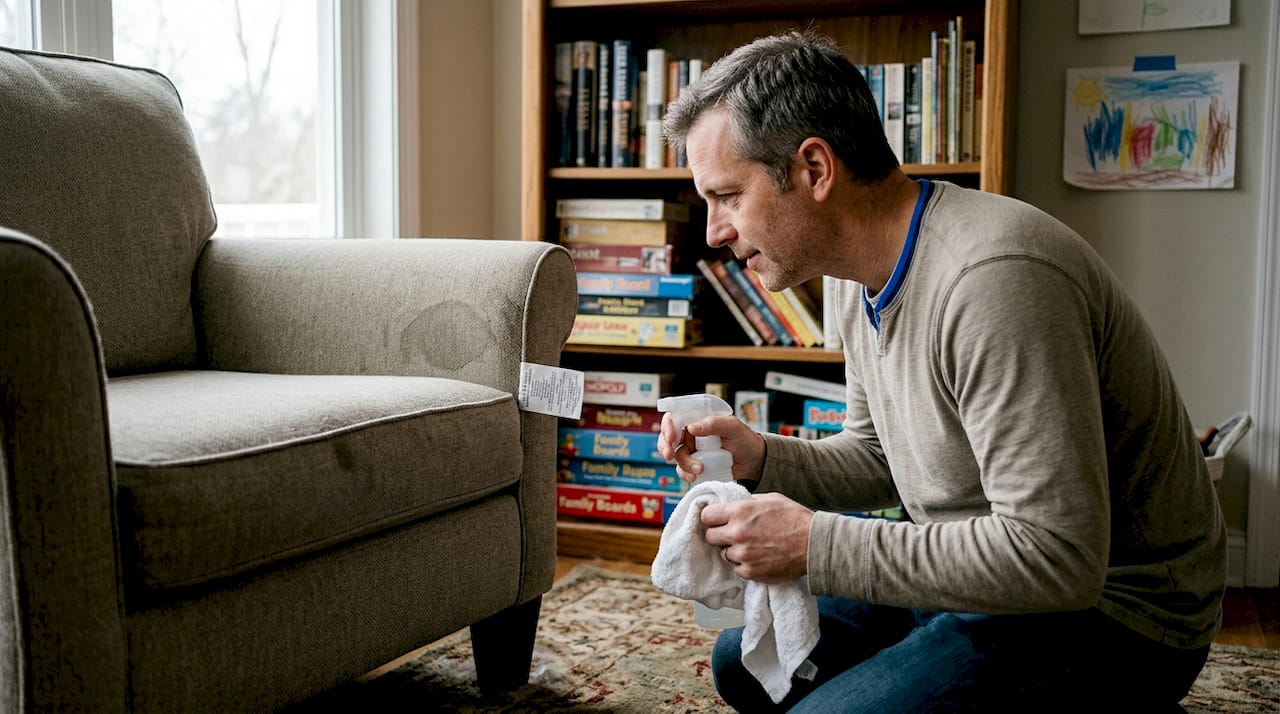
Most upholstered furniture has a tag indicating its cleaning code, usually found under cushions or on the frame. Here’s what each code means for spot cleaning:
| Code | Meaning | Safe cleaning methods |
|---|---|---|
| W | Water-based cleaners safe | Mild detergent solution, steam cleaning, water-based spot treatments |
| S | Solvent-based cleaners only | Dry cleaning solvents, no water (causes staining or shrinkage) |
| WS | Either water or solvent safe | Most versatile, use whichever works best for the stain type |
| X | Vacuum or brush only | No liquids, professional cleaning required for stains |
For W and WS coded fabrics, mix one teaspoon of mild dish soap with two cups of cool water. Blot the stain gently, working from edges to center. For oily spots on any code, sprinkle baking soda liberally over the area, let sit for 15 minutes to absorb the oil, then vacuum thoroughly. This method works wonders on greasy fingerprints, food oils, and makeup marks without introducing moisture.
Arlington residents have access to several local services when home spot cleaning isn’t enough:
- Astrobrite Carpet & Upholstery Cleaning offers targeted stain removal for Northern Virginia homes
- R&R Carpet Cleaning provides mobile spot treatment services
- Stanley Steemer operates in the Arlington area for upholstery emergencies
- Columbia Pike Laundry handles removable upholstery covers and delicate fabric items
Knowing when to call professionals saves time and prevents damage. Seek expert help for antique furniture, silk or velvet upholstery, large or spreading stains, and mystery stains where you don’t know the source. For washable items and general garment care, explore options among Arlington dry cleaners to find services matching your needs. Busy professionals juggling demanding schedules can also benefit from laundry tips for Arlington pros that integrate spot cleaning into efficient weekly routines.
Pro Tip: Photograph furniture tags showing cleaning codes and store the images on your phone. When a spill happens, you’ll have instant access to the correct cleaning method without crawling under cushions in a panic.
When to choose spot cleaning versus full cleaning: balancing benefits and risks
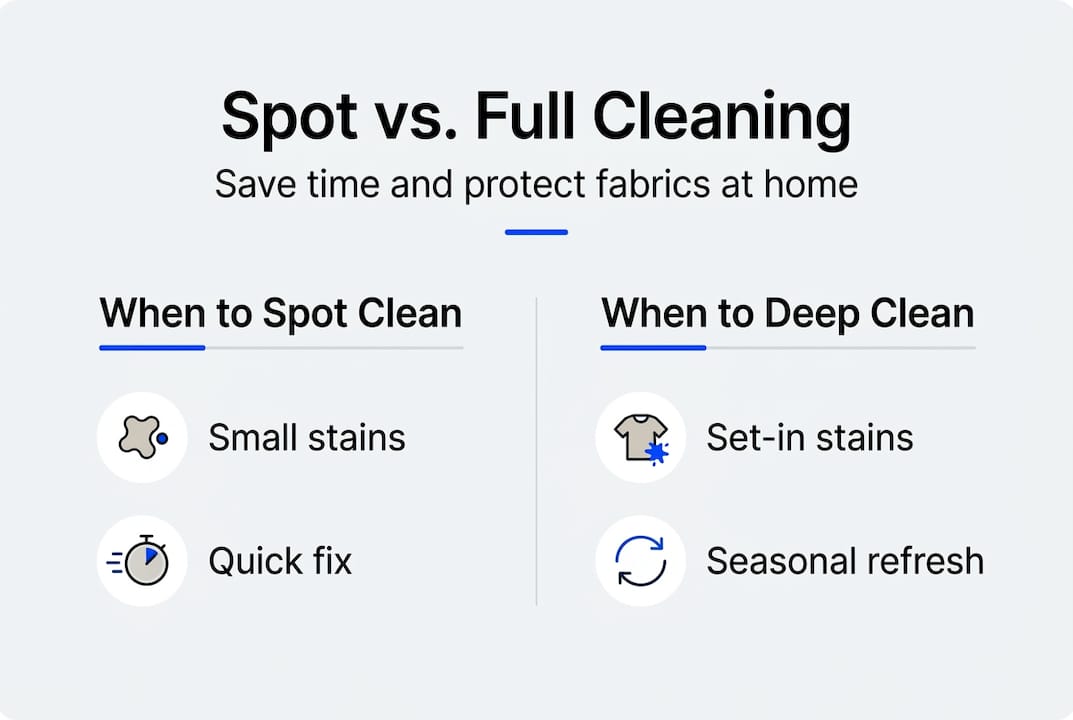
Deciding between spot cleaning and full cleaning requires weighing several factors, including stain severity, fabric type, time constraints, and environmental impact. Spot cleaning shines for isolated, fresh stains where treating the whole item is unnecessary. Use spot cleaning for isolated or fresh stains as an eco-friendly option with less wear, but choose full cleaning for odors or diffuse dirt to avoid a patchy appearance, with DIY carrying damage risks and professionals preferred for delicates.
Spot cleaning advantages include:
- Immediate action without waiting for laundry day or professional appointments
- Reduced water and energy consumption, lowering utility bills and environmental footprint
- Less mechanical stress on fabric fibers, extending garment and upholstery lifespan
- Cost savings by avoiding frequent dry cleaning or professional services
- Convenience for busy families handling daily spills and minor messes
However, spot cleaning has limitations. It doesn’t address overall dirt accumulation, body oils, or odors that build up over time. Items worn regularly still need periodic full cleaning to maintain freshness. Attempting spot cleaning on set-in stains or delicate fabrics without proper knowledge risks permanent damage. Over-treating a spot can create a clean patch surrounded by dingier fabric, making the problem more visible.
Full cleaning becomes necessary when:
- The entire garment or upholstery piece appears dingy or smells stale
- Multiple spots cover a large area, making individual treatment impractical
- Stains have set for days or weeks, requiring aggressive treatment
- Fabric care labels recommend professional cleaning only
- You’re preparing items for storage or special occasions
DIY spot cleaning carries risks that professionals mitigate through training and specialized equipment. Home treatments can spread stains if done incorrectly, damage delicate fibers with harsh chemicals, or leave residue that attracts more dirt. Water-sensitive fabrics like silk, rayon, or certain wools can shrink, pucker, or develop water spots from improper home treatment. For comprehensive guidance on tackling various stain types safely, consult this stain removal guide for Arlington families covering everything from wine to grass stains.
Pro Tip: Take a photo of the stain before treating it. If home spot cleaning makes things worse, the photo helps professional cleaners understand what they’re dealing with and choose the best restoration method.
Environmental considerations favor spot cleaning when appropriate. Washing machines use 15 to 40 gallons of water per load, while spot cleaning might use just a cup. Dry cleaning involves chemical solvents, though modern eco-friendly options exist. By spot cleaning between full washes, you reduce resource consumption without sacrificing cleanliness. The key is knowing your limits and calling experts when a stain exceeds your skill level or equipment.
Keep your wardrobe and upholstery fresh with Columbia Pike Laundry
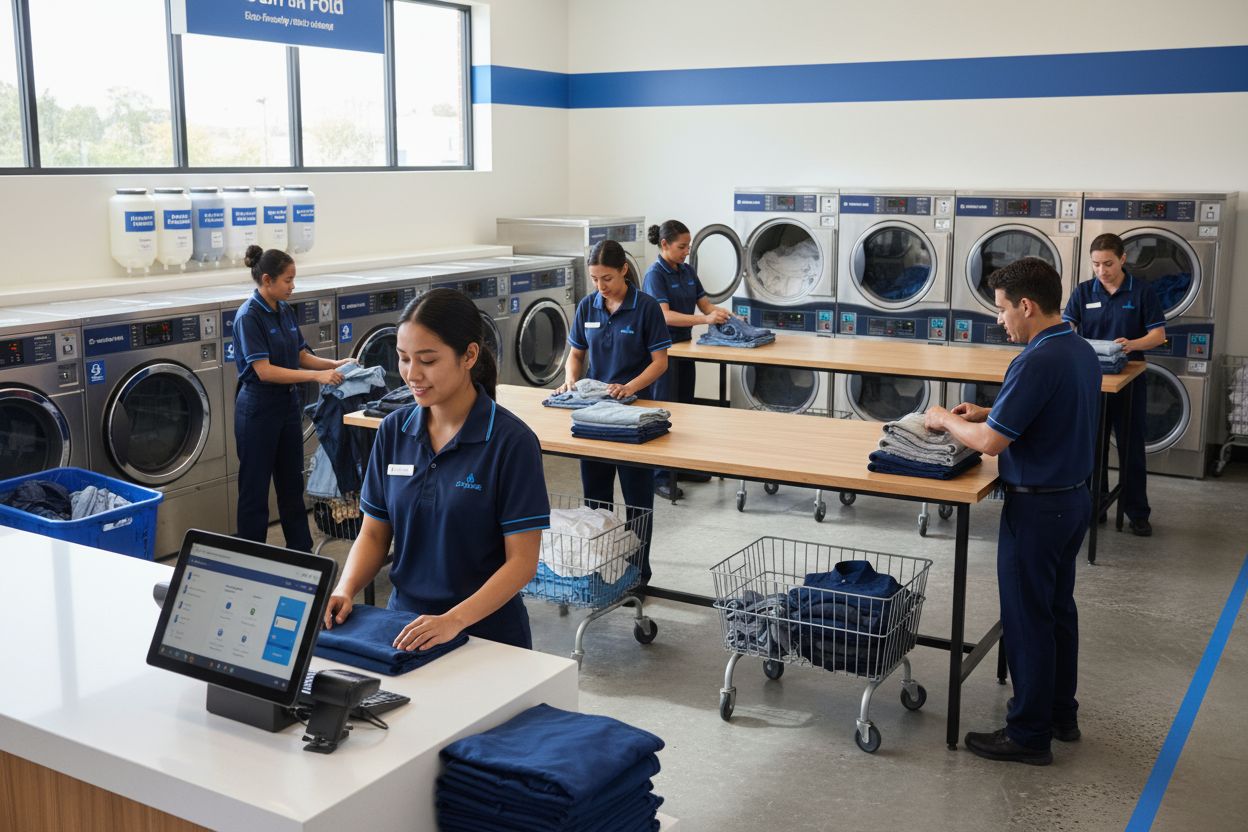
While mastering spot cleaning saves time on minor messes, busy Arlington families and professionals deserve a reliable partner for comprehensive garment care. Columbia Pike Laundry combines the convenience of modern technology with the quality of in-house cleaning, so you never have to choose between your schedule and fresh clothes. Our pickup and delivery service fits seamlessly into your routine, whether you’re managing a household, commuting to DC, or running between meetings.
Our process is simple. Schedule a pickup through our app or website, leave your items in a designated spot, and our driver collects them at your convenience. We clean everything in-house at our 2602 Columbia Pike location, giving us complete control over quality and turnaround. Within 48 hours (or faster with express options), your garments return folded, pressed, and ready to wear. We handle delicate fabrics, tough stains, and special requests like fragrance-free detergents, so your clothes get the care they deserve.
Transparent laundry pricing in Northern VA means no surprises, and our responsive communication keeps you informed every step of the way. Learn more about our seamless service process and reclaim hours each week for what matters most to you and your family.
Frequently asked questions
How quickly should I spot clean a stain for best results?
Treat stains immediately or within the first few minutes for optimal results. Fresh spills haven’t bonded with fabric fibers yet, making them far easier to lift with simple solutions. Waiting even an hour allows stains to oxidize and set, requiring harsher chemicals or professional intervention.
Can I use household items like vinegar or baking soda for spot cleaning?
Yes, white vinegar diluted with equal parts water works on many organic stains like coffee or juice, but always test on a hidden area first. Baking soda excels at absorbing oils and neutralizing odors on upholstery when sprinkled dry and vacuumed after 15 minutes. For general spots, a few drops of mild dish detergent mixed with cool water provides a safe, effective starting point.
When should I call a professional for spot cleaning help?
Seek professional assistance for delicate fabrics like silk, wool, or rayon that can shrink or discolor with improper home treatment. Old, set-in stains that resist initial attempts need specialized solvents and techniques. Large stains covering multiple areas or mystery marks where you don’t know the source also warrant expert evaluation to prevent making the problem worse. For a comparison of local options, review Arlington dry cleaners to find services matching your specific fabric care needs.
Does spot cleaning work on all fabric types?
No, spot cleaning effectiveness depends heavily on fabric composition and construction. Natural fibers like cotton and linen tolerate water-based treatments well, while synthetics like polyester resist stains but can be damaged by solvents. Always check garment care labels and upholstery cleaning codes before applying any solution. When in doubt, test on an inconspicuous area or consult a professional to avoid irreversible damage to expensive items.
Recommended
Free pickup, expert care, delivered back to your door.
Popular Blog Articles


Meet the Author
Daniel Logan didn’t start CPL because he loved laundry. He started it because his family was drowning in time debt, and laundry was one of the biggest weights.
Mornings were chaos with two kids under 5. Evenings felt like catch-up. And weekends? Gone to sorting socks and folding piles.
He knew his story wasn’t unique. So he built a business that gave families like his just a little bit of breathing room one load at a time.
With no laundry experience but deep tech skills, Daniel rolled up his sleeves, doing every job himself while building systems that turned it into a modern laundry service that saves customers time, simplifies their lives, and delivers reliability they can count on.
That’s where CPL began. Not from a playbook, but from pain. From one dad trying to buy back time: for himself, and for every household like his.
Free pickup, expert care, delivered back to your door.