
How to ensure quality laundry results: proven steps and tips
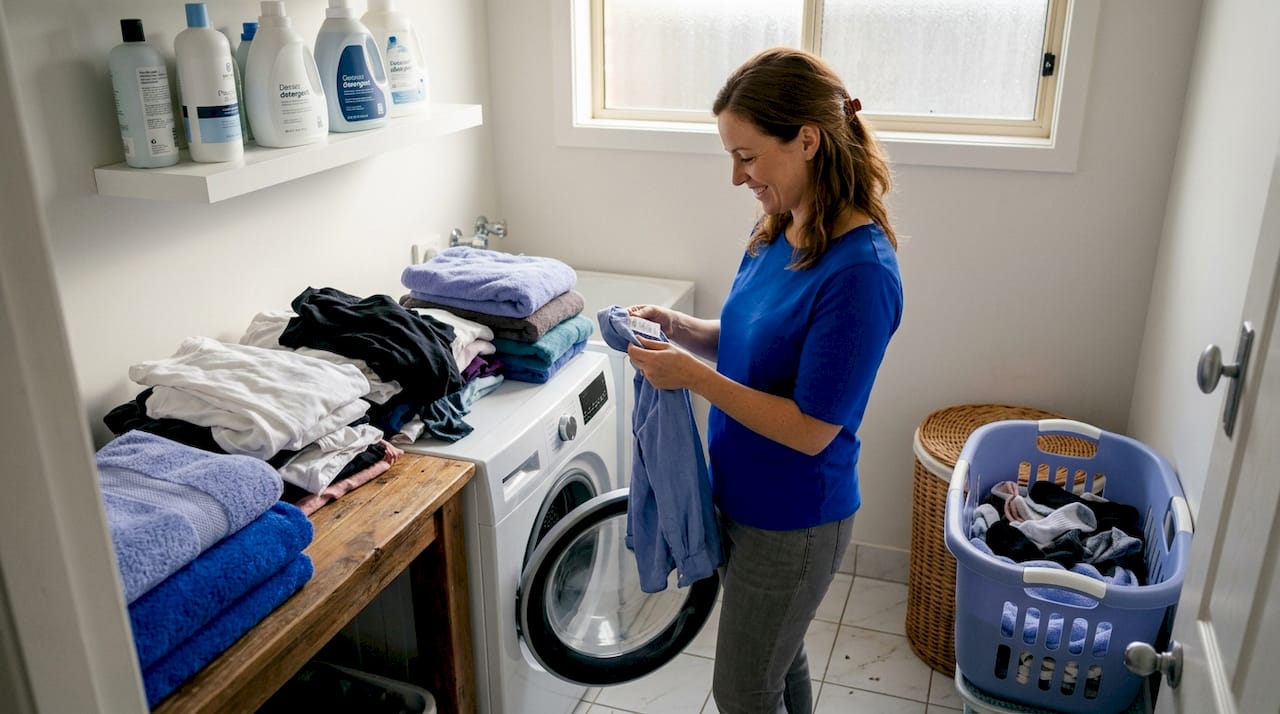
Columbia Pike Laundry offers pickup & delivery across Northern Virginia.
TL;DR:
- Consistent laundry routines, including sorting and pretreating stains, prevent damage and extend clothing life.
- Proper cycle selection, temperature, and detergent use are essential for effective cleaning and fabric preservation.
- Professional laundry services can ensure quality results through careful handling, saving time and reducing errors.
You pull a favorite shirt out of the dryer only to find a mystery stain baked in, a shrunken collar, or that faded gray patch where navy blue used to be. For busy Arlington families and professionals, laundry mistakes like these don’t just cost money on replacement clothes. They eat up weekend time, create morning stress, and chip away at confidence in how you present yourself. The good news is that consistently clean, well-cared-for laundry isn’t complicated. It just takes a few deliberate habits applied in the right order.
Key Takeaways
| Point | Details |
|---|---|
| Sort smartly | Consistent sorting by color and fabric keeps clothes looking new and prevents damage. |
| Treat stains early | Act fast and avoid heat on stains to prevent permanent marks on your clothing. |
| Measure detergent properly | Use the recommended amount to avoid residue and ensure a thorough clean. |
| Customize cycles | Choosing the right wash settings for fabric type and load size preserves quality and saves time. |
| Routines over shortcuts | Reliable results come from smart, simple habits—not viral fads or harsh chemicals. |
Set up for laundry success
Before a single piece of clothing touches water, the prep stage determines whether your load comes out clean or comes out damaged. Think of it like cooking: the best meal starts with having the right ingredients laid out before the heat goes on.
What you need within arm’s reach:
- A quality detergent matched to your machine type (HE or standard)
- A stain remover stick, spray, or gel for pretreating
- Mesh laundry bags for delicates and small items
- At least two laundry baskets for pre-sorted loads
- A quick reference to garment care symbols
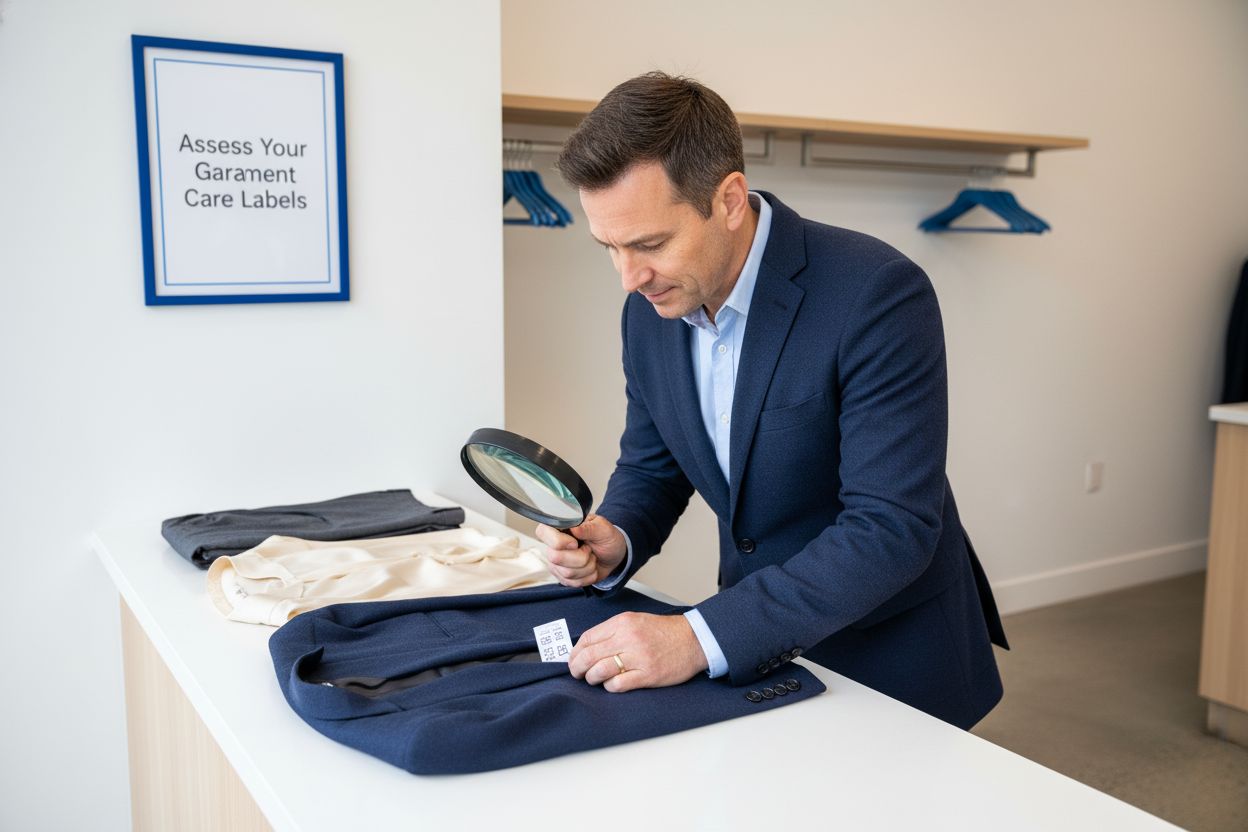
As TIME’s laundry guide notes, checking care labels and sorting by color, fabric weight, and construction are foundational to consistent, high-quality laundry results. That small rectangular tag sewn into your collar is not decoration. It tells you exactly what temperature, cycle, and drying method that fabric can handle without breaking down.

Here’s a quick reference table to guide your sorting setup:
| Category | Examples | Wash setting |
|---|---|---|
| Whites and light colors | T-shirts, undershirts, socks | Warm or hot |
| Dark colors | Jeans, black tops, navy sweaters | Cold |
| Delicates | Silk, lace, lightweight blouses | Delicate or hand wash |
| Heavy fabrics | Towels, denim, sweatshirts | Warm, normal cycle |
| Activewear | Leggings, sports bras, gym shirts | Cold, gentle cycle |
Understanding sorting basics for cleaner results takes only a couple of minutes upfront but pays off with every load. If sorting feels overwhelming given your schedule, streamlining laundry sorting with labeled baskets placed in your bedroom or closet makes the habit nearly effortless.
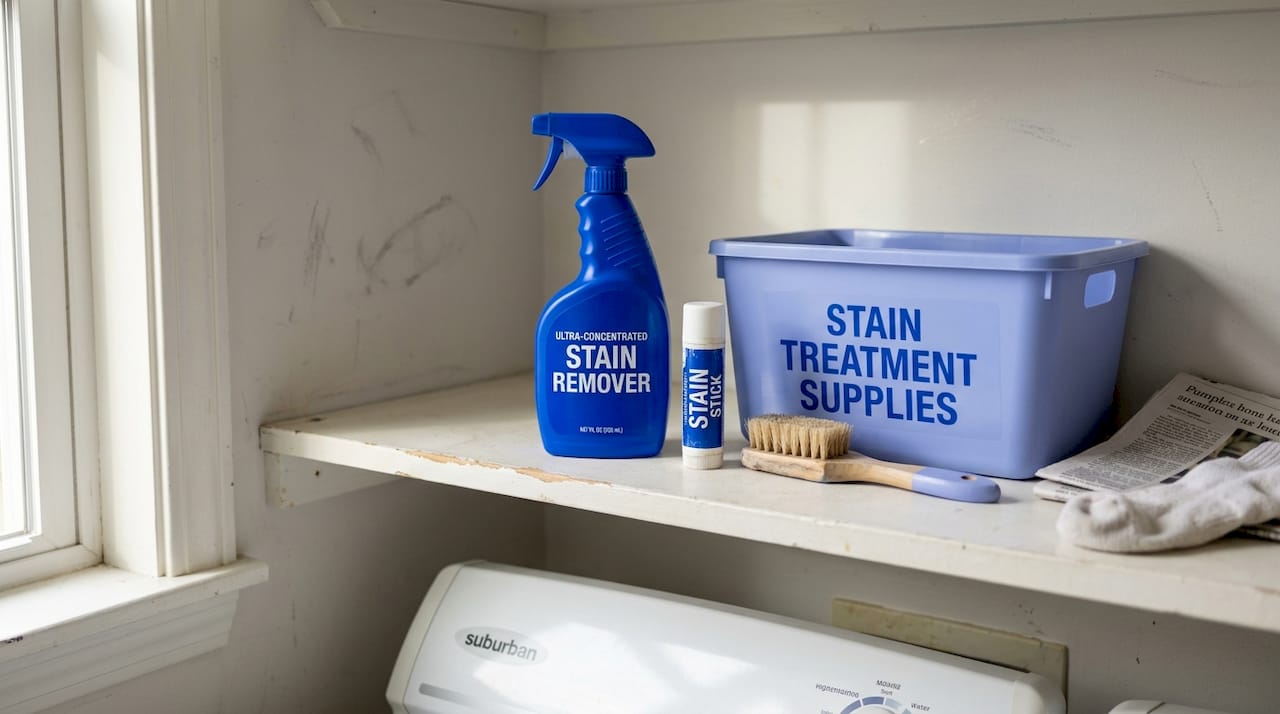
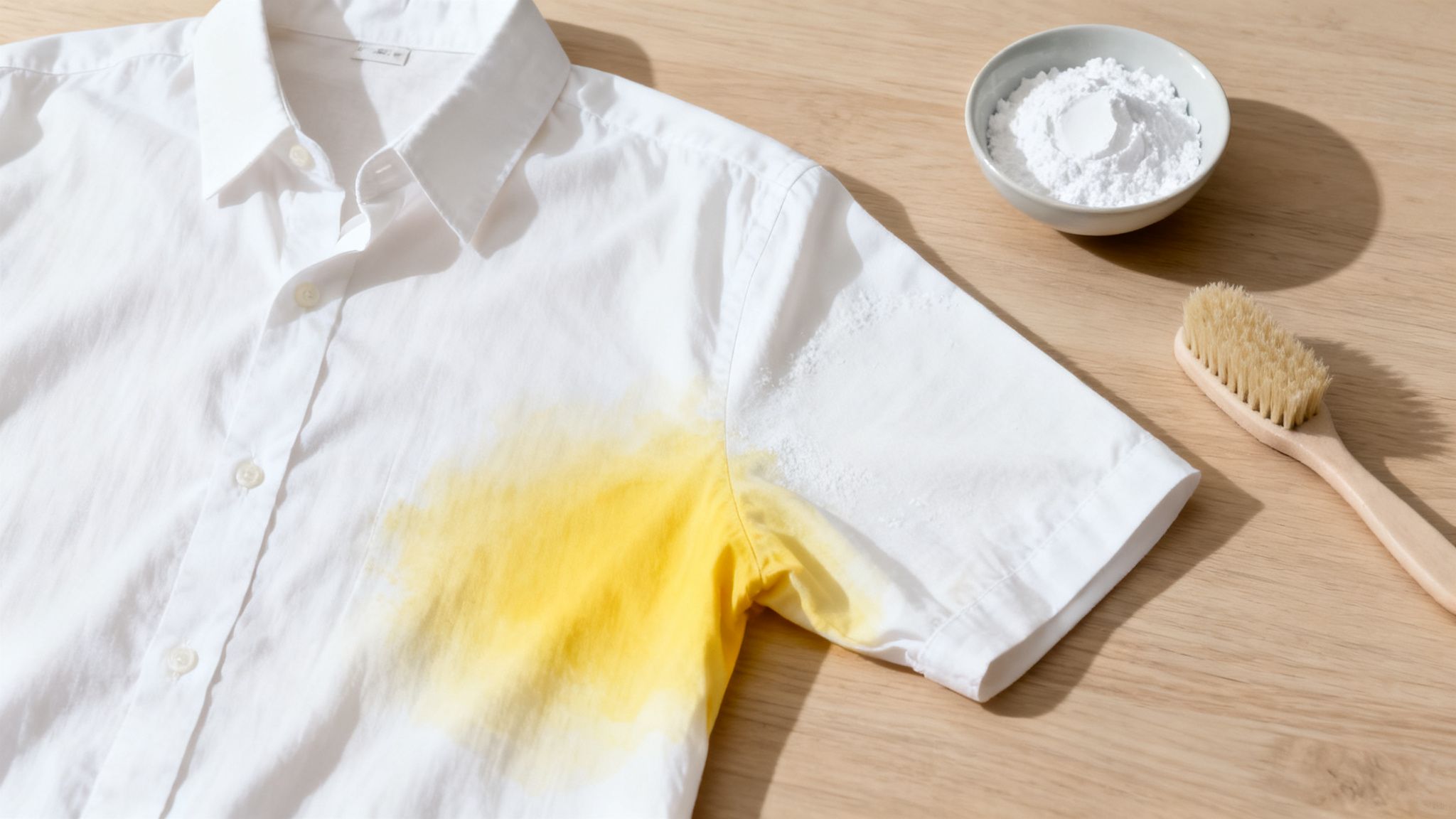
Pro Tip: Keep a stain removal kit (a spray, a stick, and a small brush) on a shelf directly above or beside your laundry baskets. The faster you treat a stain, the better your chances of fully removing it.
Sort, treat, and load: Step-by-step process
Once the prep is done, it’s time to take concrete actions to protect your clothes and get the best clean every time. This is where most people either cut corners or make well-intentioned mistakes that cause long-term damage.
Follow these steps every time you run a load:
-
Sort your laundry before it piles up. Separate by color first (whites, lights, darks), then separate within those groups by fabric weight. Washing heavy denim with thin cotton T-shirts in the same load means the heavier items agitate the lighter ones, causing pilling and premature wear. For a deeper look at how to approach this, our guide on separating clothes for cleaning breaks it down practically.
-
Check every item for stains before loading. Turn each garment inside out quickly. Look at collars, underarms, and cuffs. These spots collect body oils and product buildup that regular washing cycles alone won’t always remove.
-
Pretreat stains immediately and correctly. According to NYT Wirecutter’s stain-removal guidance, you should pretreat stains promptly and avoid heat until the stain is fully removed, since heat sets stains permanently into fabric fibers. Apply your stain remover, let it sit for the time specified on the product label, and do not machine dry that garment until you’ve confirmed the stain is gone. Our full stain removal guide covers specific stain types and treatment methods.
-
Load the machine correctly. Place clothes loosely in the drum. They should be able to tumble freely. A machine that is packed too tightly physically cannot circulate water and detergent through every item evenly. You end up with clothes that are partially clean at best.
-
Add detergent before starting the cycle. In a front-loading HE machine, detergent goes in the designated drawer. In a top-loader, add detergent to the drum before or as the water fills, not on top of dry clothes.
Here’s a comparison of common loading mistakes versus best practices:
| Common mistake | Best practice | Result of change |
|---|---|---|
| Overfilling the drum | Fill to two-thirds capacity | Even cleaning, less wear |
| Mixing heavy and light fabrics | Sort by weight | Reduces pilling and stretching |
| Ignoring stains before loading | Pretreat every stain | No heat-set stains |
| Adding detergent on top of clothes | Follow machine instructions | Avoids spotting and residue |
Understanding how to sort laundry the right way removes a huge amount of guesswork and protects your wardrobe investment over time.
Pro Tip: Use mesh laundry bags for bras, delicate tops, and items with decorative hardware. These bags prevent straps from tangling, hooks from snagging, and embellishments from breaking off during the wash cycle.
Detergent do’s and don’ts
Getting your laundry sorted and loaded is only part of the equation. The right detergent choices make all the difference between clothes that feel genuinely clean and clothes that carry residue, strange odors, or visible buildup.
What to know before you pour:
- HE machines need HE detergent. High-efficiency washers use significantly less water than traditional machines. Using standard detergent in an HE washer produces too many suds, which the machine cannot rinse out fully. That excess foam traps dirt and detergent residue in the fabric, leaving clothes feeling stiff and smelling musty.
- More detergent does not mean cleaner clothes. This is one of the most common mistakes we see. The right detergent amount and type, especially with HE machines, prevents residue buildup and actually improves cleaning results rather than hindering them.
- Two tablespoons is usually enough. For a regular-sized load, about two tablespoons of liquid detergent is sufficient. Most detergent caps are designed to hold far more than you need, so measuring separately helps avoid overdoing it.
- Pods are convenient but not for every situation. Laundry pods work well for standard loads in machines with warm or hot water, where the pod casing dissolves fully. In cold water cycles or when washing delicates, pods may not dissolve completely, leaving a sticky residue on fabrics.
Matching detergent type to need:
| Detergent type | Best for | Watch out for |
|---|---|---|
| Liquid | Most loads, especially cold water | Easy to overuse |
| Powder | Hot water loads, heavy soiling | May not dissolve in cold water |
| Pods | Convenience, standard loads | Not ideal for cold or delicate cycles |
| Fragrance-free | Sensitive skin, baby clothes | Same cleaning power, no irritants |
Our professional laundry care guide goes further into detergent selection based on fabric type. And if you’ve ever pulled clothes out of the wash only to find white streaks or patches, our resource on removing detergent stains walks through how to fix that without re-damaging the fabric.
Select cycles, temperatures, and avoid common errors
With detergent measured and ready, the final steps are about setting your washer and knowing what missteps to avoid for safe, spotless laundry. This is where a lot of well-intentioned effort goes sideways.
Step-by-step cycle and temperature selection:
-
Default to cold for most loads. Cold water preserves color, prevents shrinkage, and is gentler on fabric fibers. Modern detergents are formulated to work effectively in cold water, so you are not sacrificing cleaning power by skipping heat.
-
Use warm or hot for specific items only. Towels, bedding, heavily soiled work clothes, and items that need sanitizing (like cloth diapers or kitchen rags) benefit from warm or hot water. Heat kills bacteria and breaks down oils more effectively than cold.
-
Match the cycle to the fabric weight and construction. Use the delicate or gentle cycle for lightweight fabrics, casual wear, and anything with stretch. Use the normal or heavy-duty cycle for thick cottons, denim, and towels.
-
Check care labels before every load, not just once. Fabrics change over time. A shirt that handled warm water fine when new may start showing dye transfer or shrinkage as fibers age and weaken.
-
Ignore viral laundry hacks that sound too good to be true. Viral social media cleaning trends, including laundry stripping, excessive bleach use, and DIY detergent mixtures, often cause more harm than help when applied without understanding fabric science.
Warning: Laundry stripping, which involves soaking clothes in a bathtub mix of borax, washing soda, and detergent for hours, can weaken elastic, fade colors, and degrade delicate fabrics over time. Bleach overuse degrades cotton fibers rapidly and causes yellowing on synthetic fabrics. Stick to tested, label-approved methods.
As Apartment Therapy’s laundry guide points out, choosing wash settings intentionally and avoiding an overloaded washer directly affects whether clothes circulate properly and come out truly clean. When clothes are crammed in, they rub against each other under friction rather than moving freely through water, which causes pilling and uneven cleaning.
For anyone managing multiple household members’ laundry or work uniforms, our guide on choosing laundry preferences and our breakdown of commercial laundry best practices offer useful frameworks to scale up your routine without sacrificing quality.
Why smart routines beat shortcuts when it comes to laundry quality
Here’s something we’ve noticed after working with hundreds of Arlington customers: the people with the best-looking, longest-lasting wardrobes aren’t using special products or elaborate techniques. They’re doing the basics consistently, every single time.
The laundry industry gets flooded with viral trends constantly. A new “miracle” stripping recipe. A social media video claiming dishwasher pods clean clothes better than detergent. A hack promising to brighten whites using something from the kitchen pantry. Most of these come and go because they either don’t work reliably or they gradually damage the fabrics they claim to help.
The Washington Post’s reporting on laundry myths makes a critical point: laundry stripping weakens fibers and what cleans one fabric type effectively can actually damage another. Your care label exists precisely because the manufacturer tested that exact fabric under real conditions. It is not a suggestion.
What actually works, based on real experience with real clothing, is simpler than any hack: sort consistently, pretreat before washing, never apply heat to a stain you haven’t fully removed, measure your detergent, and don’t overstuff the machine. That’s it. Those five habits, applied repeatedly, produce results that no trending technique reliably matches.
Simplicity also beats complexity in terms of sustainability. Families who establish a clear laundry routine make fewer errors, use fewer products, and replace clothing less often. The cost savings alone, when you stop replacing shrunken sweaters and faded dress shirts, add up significantly over a year. Our guide on commercial laundry best practices illustrates how professional cleaning operations rely on exactly this philosophy: standardized, careful, repeatable processes rather than improvised solutions.
The uncomfortable truth is that most laundry problems are preventable. They happen not because of bad luck but because of rushed habits: skipping the sort, ignoring the label, tossing a stained item in the dryer before confirming it’s clean. Slowing down by just two minutes per load eliminates most of the damage people blame on their machines or detergents.
Get guaranteed quality with local laundry experts
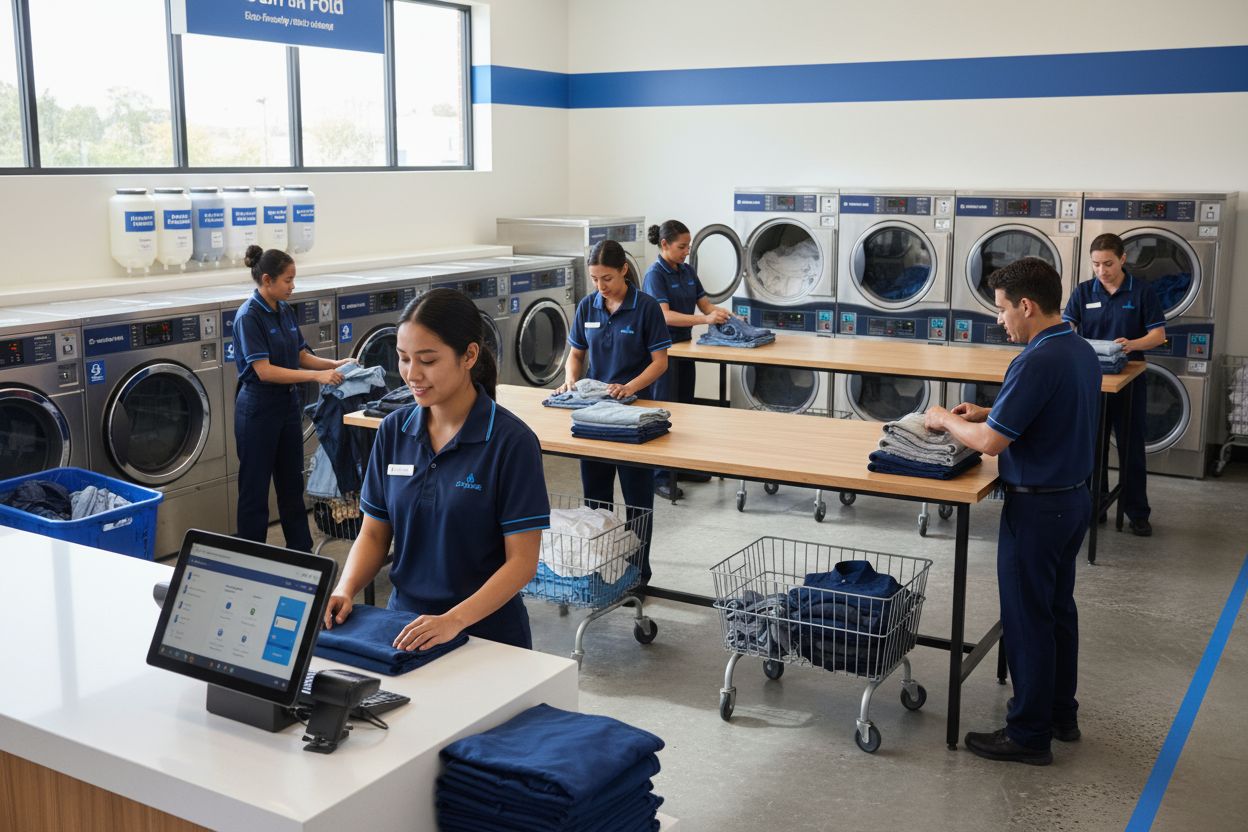
If you’d like to skip the hassle and ensure every load is handled perfectly, Columbia Pike Laundry offers a stress-free solution for busy Arlington families and professionals. We handle sorting, pretreating, and cycle selection in-house, with no middlemen and no guesswork. Every order benefits from our experienced team applying exactly the kind of careful, consistent method this article describes.
You can check transparent Arlington laundry pricing upfront with no surprises, and see how our service works from pickup to delivery. Whether you need wash and fold, dry cleaning for delicates, or fragrance-free processing for sensitive skin, we customize every order to your preferences. Standard turnaround is 48 hours, with express options available when you’re in a pinch.
Frequently asked questions
What items should never go in the dryer?
Delicate fabrics, garments with care labels indicating “air dry,” and items with untreated stains should never go in the dryer, since heat permanently sets stains and can shrink or warp fragile materials.
How often should I clean my washing machine?
Running a cleaning cycle monthly prevents soap scum, mildew, and mineral buildup that can transfer odors and residue to your clothes, keeping every load smelling fresh.
Why do my clothes sometimes feel stiff or scratchy after washing?
Residue from too much detergent or an overloaded drum leaves a film on fabric fibers; using the correct detergent amount and leaving room in the drum for proper rinsing solves this quickly.
Is it okay to wash all clothes in cold water?
Cold water works well for most everyday loads and helps prevent fading and shrinkage, but use warm or hot water for towels or to sanitize heavily soiled items where bacteria removal matters.
What’s the biggest laundry mistake most people make?
Overloading the washer and skipping care label checks are the most common errors, both of which reduce cleaning effectiveness and can cause irreversible fabric damage over time.
Free pickup, expert care, delivered back to your door.
Popular Blog Articles



Meet the Author
Daniel Logan didn’t start CPL because he loved laundry. He started it because his family was drowning in time debt, and laundry was one of the biggest weights.
Mornings were chaos with two kids under 5. Evenings felt like catch-up. And weekends? Gone to sorting socks and folding piles.
He knew his story wasn’t unique. So he built a business that gave families like his just a little bit of breathing room one load at a time.
With no laundry experience but deep tech skills, Daniel rolled up his sleeves, doing every job himself while building systems that turned it into a modern laundry service that saves customers time, simplifies their lives, and delivers reliability they can count on.
That’s where CPL began. Not from a playbook, but from pain. From one dad trying to buy back time: for himself, and for every household like his.
Free pickup, expert care, delivered back to your door.